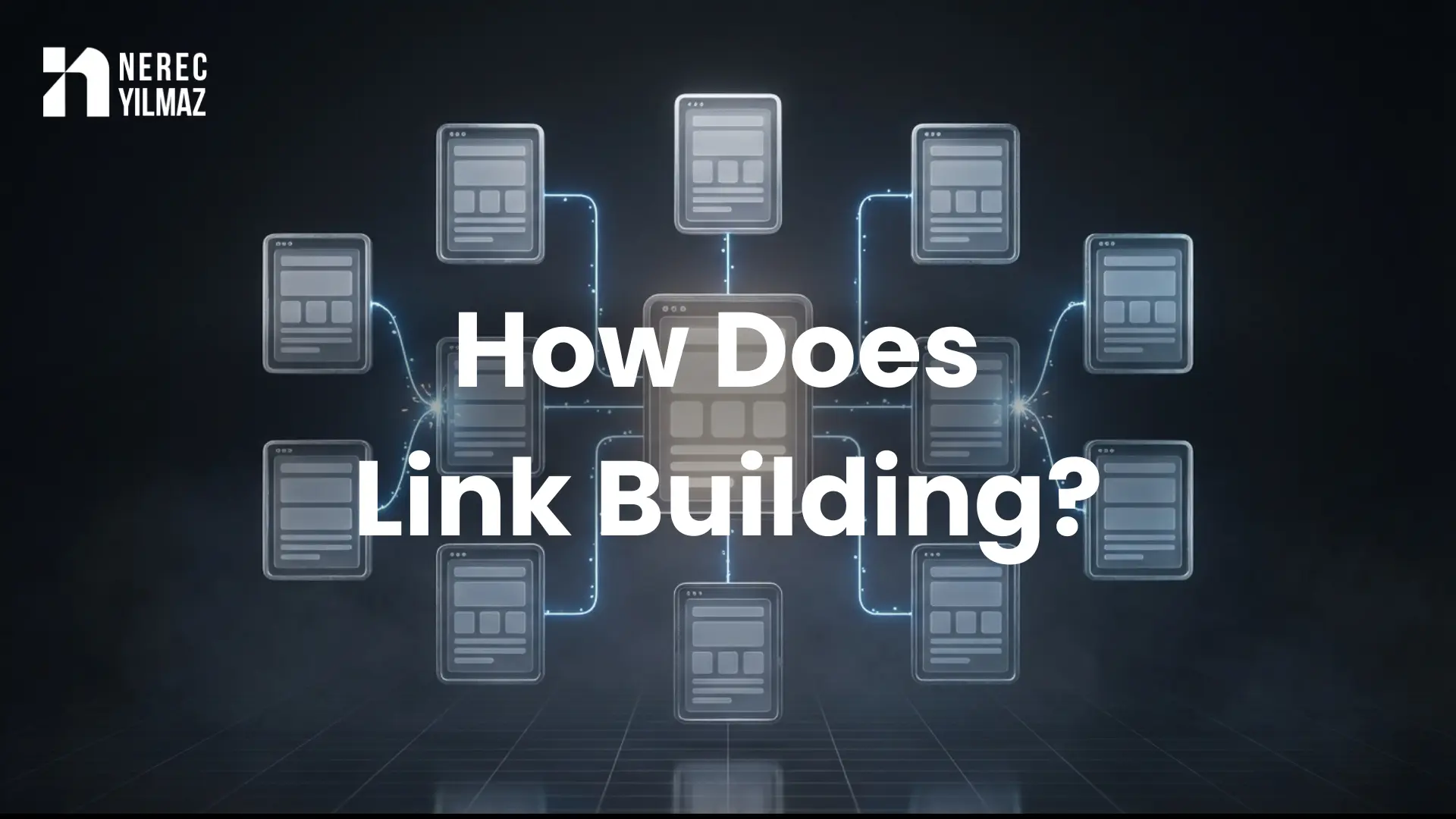
On-site link building is the process of creating strategic connections between pages within the same website to guide the user to the right content and distribute SEO authority across pages. When done correctly, it helps Google understand your site better, keeps the user on the site, and increases organic visibility.
What Is Link Building?
Link building is a page giving a connection (link) to another page. This link sometimes comes from outside the site (backlink), and sometimes is established between pages within the same site (internal link). Link building is one of the strongest structures that gives search engines the signal “what is this page about, which pages are important?”
Link Building and SEO
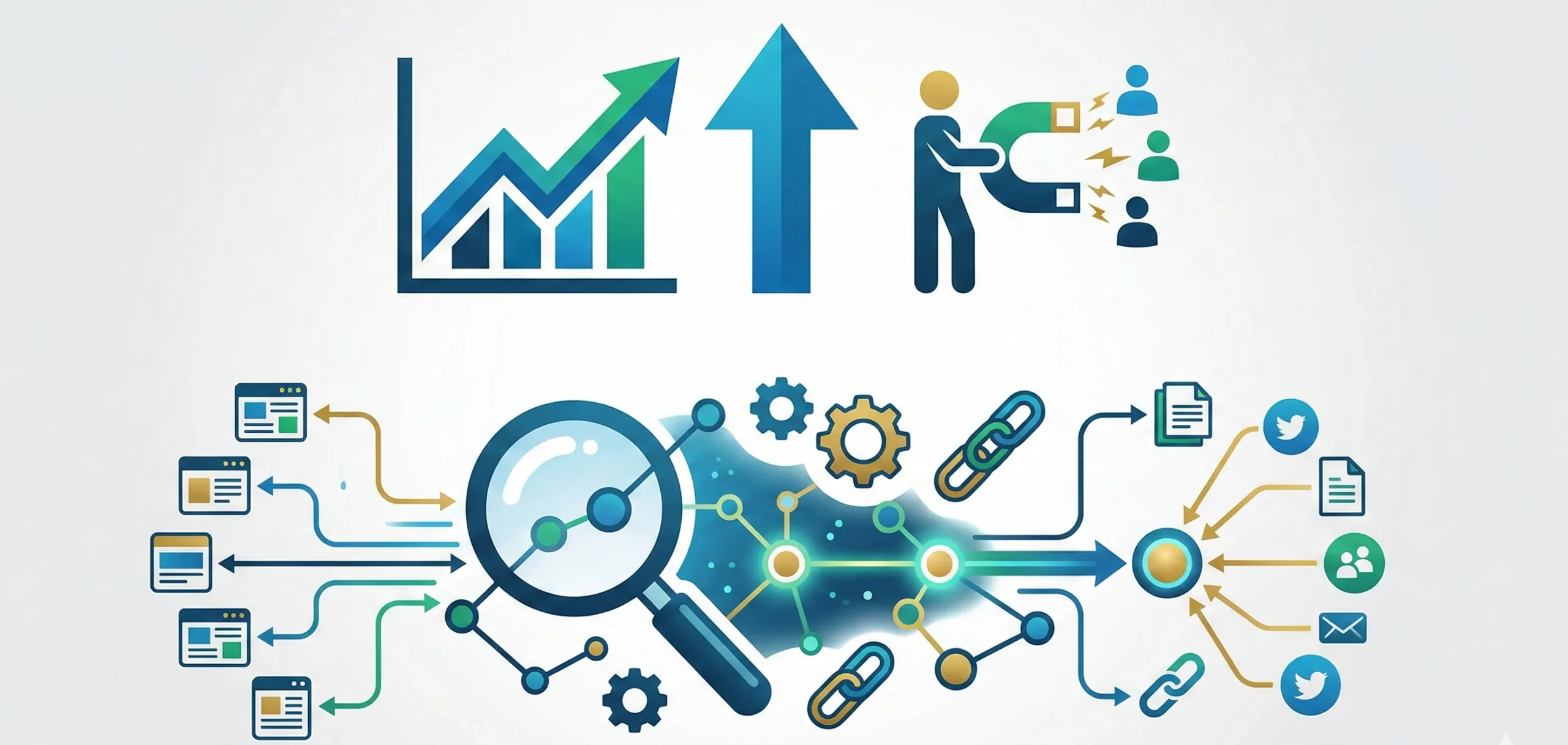
Link building and SEO work together because links help search engines discover pages, understand them, and evaluate authority signals. Especially:
- Faster crawling of important pages,
- Clarification of content clusters (topic cluster),
- Keeping the user on the site longer,
- More controlled directing to conversion pages, produce results like these.
How Is On-Site Link Building Done?
On-site link structure,: “you connect the right page with the right anchor in a way that does not disrupt the user journey and topic integrity.”
Actionable steps:
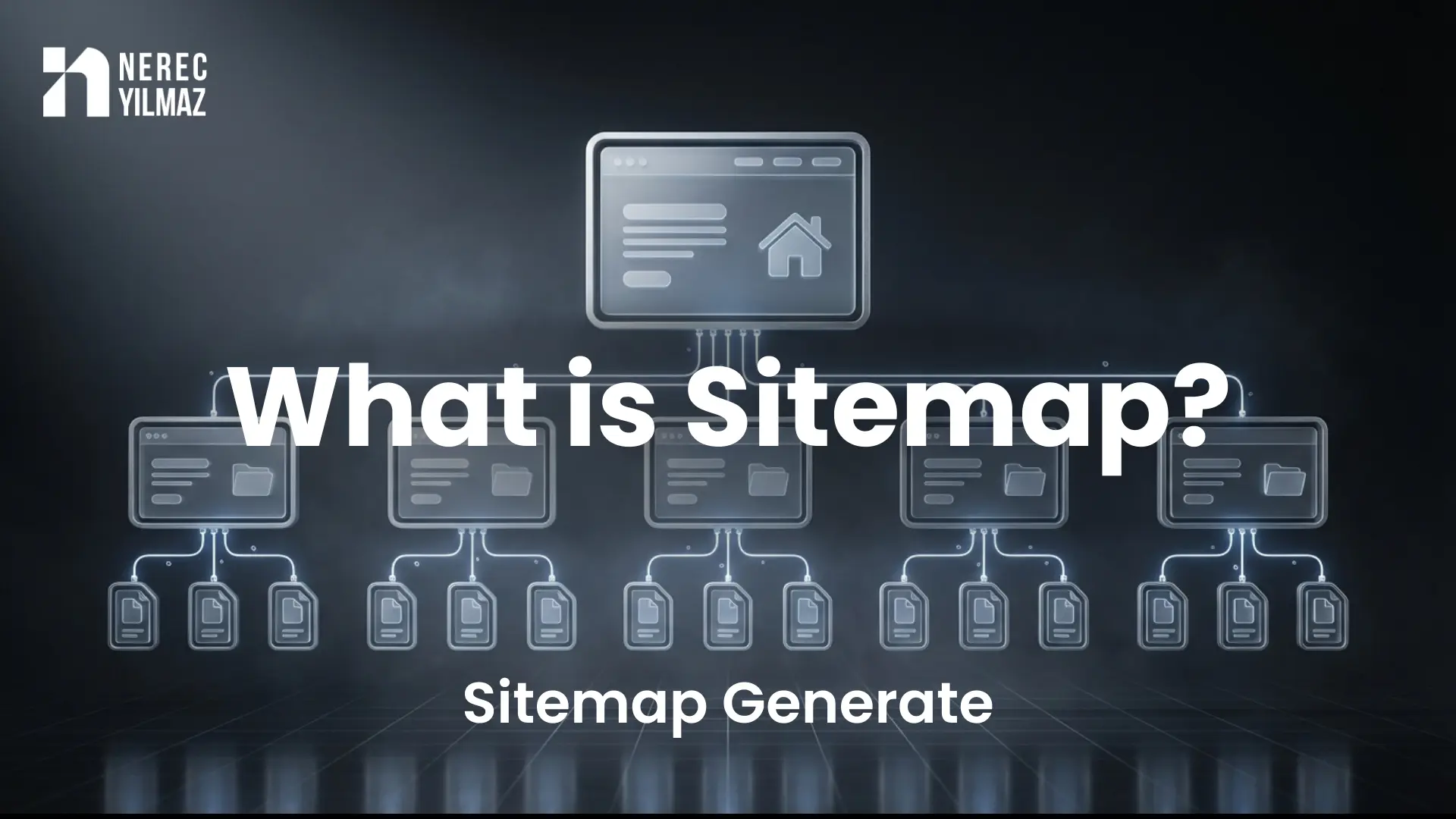
Build topic clusters (Topic Cluster)
- Determine a main page (pillar)
- Create supporting sub-contents (cluster)
- Give internal links from cluster contents to the pillar and to each other
Choose the anchor text (link text) meaningfully
- Use descriptive text for the page you link to instead of “click here”
- Use variations instead of linking to the same page with the same anchor all the time
Strengthen the most valuable pages
- Such as service pages, category pages, content that brings the most conversions
- Build a strategic internal link plan to these pages from blogs
Make navigation areas serve SEO
- Menu, breadcrumb, footer links
- Arrange them in a way that clarifies hierarchy without overwhelming the user
Do not leave orphan pages (orphan page)
- Pages that receive no internal links are discovered late by bots
- Each important page should be supported with at least 1–3 internal links
What Is the Pillar-Cluster Model?
The pillar–cluster model means creating a comprehensive “guide” content (pillar) on a main topic, writing supporting contents (cluster) that detail the subtopics separately, and connecting all of them to each other with internal links. The pillar page gathers the main topic; cluster posts both link to the pillar and cross-link among related clusters. In this way, Google sees your topical authority more clearly, and the user is guided step by step to the right content.
The Importance of Link Building
The importance of link building is not only “it helps SEO”; it also means you design the conversion path. Good linking:
- Carries authority to the right pages,
- Moves the user around the site,
- Increases reading time,
- Helps Google see the site structure more clearly.
SEO Link Types
SEO link types are grouped under two main headings:
1) Backlink
- It is a link that comes to your site from another website.
- It produces authority and trust signals.
- It is generally harder to obtain, but its impact can be strong.
2) Internal Link
- It is a link given from one page to another within the same website.
- It builds site architecture and speeds up crawling.
- It is completely under your control.
Differences (list):
- Source: Backlink comes from outside, internal link comes from inside.
- Control: Backlink has limited control, internal link has full control.
- Speed: Internal link is applied instantly, backlink takes time.
- Purpose: Backlink authority/trust; internal link structure/distribution/journey.
Effective Link Building Strategies
- Connect content to each other with the pillar–cluster model
- Link from the “highest-traffic” contents to conversion pages
- Update old content and add links to new content (content refresh)
- Place “read next” links between similar contents
- Regularly check broken links and fix them
- Target at least 3–7 internal links in each content (depending on site size)
Conclusion
On-site link building is one of the fastest levers of organic growth because it is completely under your control. With the right internal link structure, you both clearly explain your site architecture to Google and strategically move the user to conversion. If you want, we can set up this structure specifically for your site and create a serious growth plan on the organic side between your content clusters and service pages. Contact us for increasing organic conversations with SEO strategies.